Navigating the Fringe with Kaisa Ling
In this interview, Kaisa Ling and Arashk Azizi discuss Fringe festival philosophy, artist self-management, and navigating an uncurated cultural ecosystem.
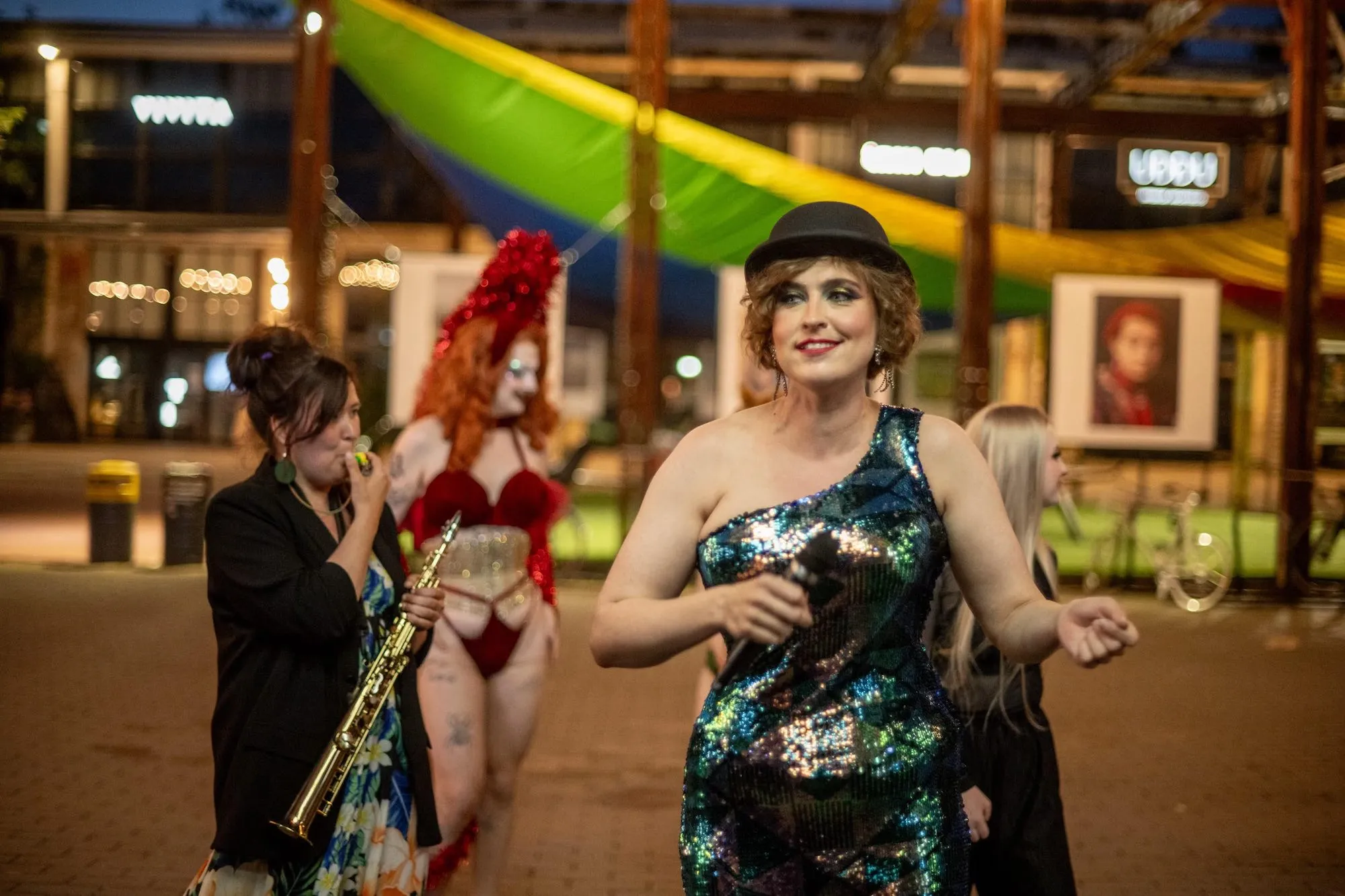
Kaisa Ling is a prominent Estonian blues singer, cultural journalist, literary scholar, and translator. Hailing from Saaremaa, Ling completed her studies at the University of Tartu in literature and theatre studies. She is widely known as the frontwoman and vocalist of the vaudeville-blues group Kaisa Ling Thing (founded in 2017), as well as a leading figure in the local cabaret, clowning, and independent performance art scene.
In addition to her work for Estonian Public Broadcasting (ERR) as a journalist and presenter, Ling serves as the Artists’ Ambassador for the Tallinn Fringe Festival. In this interview, I sat down with her to discuss the philosophy of Fringe festivals, how independent artists can navigate the scene, and what it takes to succeed in an uncurated, self-driven cultural ecosystem.
Arashk Azizi: How do you define Fringe from your point of view?
Kaisa: For me, Fringe has become an education; it has been a vocational university and a colorful workshop for an independent artist, where I’ve practiced how to be a creator who takes full responsibility for every aspect of their career. When I first performed at the Edinburgh Fringe, I came back feeling twice as good because of the sheer amount of work, flyering, performances, and effort put in. Beyond that, it is the world's largest creative trade fair to meet other artists, see awesome art, get inspired, and build new collaborative projects.
Arashk: What is your role as the Artists’ Ambassador for Tallinn Fringe, and when should artists reach out to you?
Kaisa: On one hand, I communicate with venues, the media, and the audience to explain their roles and opportunities at the Fringe, all to create better working conditions for us artists.
On the other hand, I try to show artists what Fringe could be and encourage them to become independent, self-aware creators. Fringe can be whatever you want it to be: a career springboard, the beginning of a path, or even the place where you realize this field isn't for you. Artists can contact me even if they don't know exactly what they need yet; I am here to help them make the most of this experience.
Arashk: Based on your experience, what is the most common mistake first-time Fringe artists make?
Kaisa: The biggest misconceptions are related to understanding what Fringe actually requires and expecting to become famous overnight through a single festival; which is about a one-in-a-thousand chance. Because the festival is completely uncurated, there are no organizers to prepare the shows for the artist. First-time creators often don't realize that they have to be their own production, marketing, and management team. You have to handle everything yourself: booking venues, logistics, advertising, filling out spreadsheets, and ticket sales, all while keeping an eye on your mental and physical health.
This complete transition to self-management is a particularly big challenge in Estonia because it clashes with our historical background. Estonian cultural space stems from a rigid, institutional system where state institutions directed artists' careers, and creators themselves had little say in their journey. Stepping into the uncurated Fringe model requires a total mindset shift from the artist and an understanding of what it means to operate in a true free market, where every artist is essentially their own manager.
Arashk: Managing all of that can feel paralyzing. What practical advice or strategy would you share for managing this pressure?
Kaisa: Don't bite off more than you can chew at once. Start small, do three shows: on Thursday, Friday, and Saturday in a small venue with about 30 seats. Running a series of shows from start to finish gives you immense confidence and an action plan for the future. Once you've proven to yourself that you can control every part of your work, you can take on longer performance runs and bigger projects in the following years, involve more people in your team, and so on.
Arashk: Can you give an example of an artist who really took off through Fringe?
Kaisa: Last year at Tallinn Fringe, character comedian and clown Charlie Mulliner performed. Her performance at the theatre club Heldeke! was delightful! Later, she won awards at Adelaide Fringe and is now doing major international tours. The Fringe path has launched many into orbit around the world, from beloved actors (for example, Miriam Margolyes made waves in Edinburgh decades ago) to Hollywood stars and well-known stand-up comedians.
Arashk: Do you have any final recommendations for this year's participants and audience?
Kaisa: Don't let things become stressful—the pressure comes from within yourself, so change your mindset and make it a fun experience. For the audience, I also suggest not worrying about the overwhelming choice: let yourself be surprised and step into some small, unusual place. Most importantly—rely on word of mouth. Listen to what people are talking about in the streets, cafes, and bars. In today's digital world, we need to remind ourselves what it means to live in a human society: talk to each other, ask for recommendations, and be bold!