What Is a Fringe Festival? A Guide for First-Time Visitors
If you have ever scrolled through a cultural events calendar and found yourself wondering, "what is a fringe festival?" you are not alone. To the uninitiated,…
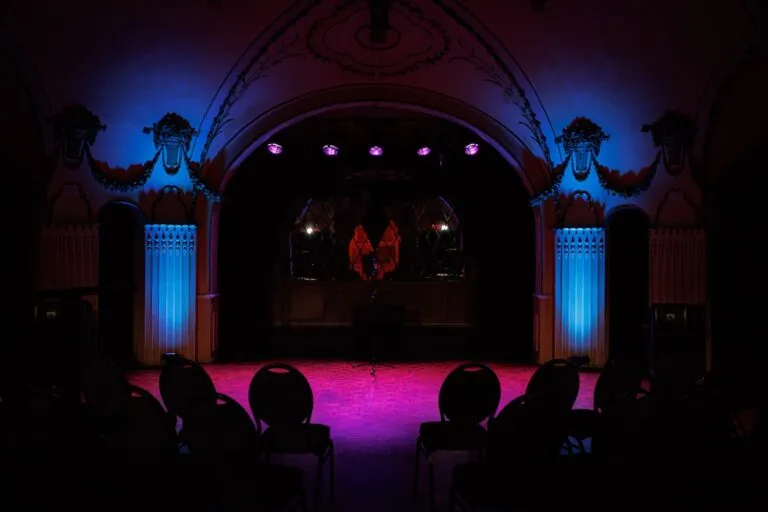
If you have ever scrolled through a cultural events calendar and found yourself wondering, "what is a fringe festival?" you are not alone. To the uninitiated, the word "fringe" might evoke images of avant-garde, experimental theater hidden away in dark basements. While you can certainly find that, a fringe festival is actually one of the most vibrant, inclusive, and electrifying celebrations of performing arts you will ever experience.
Whether you are a seasoned theatergoer or someone who has never stepped foot in a playhouse, this beginner's guide will help you navigate the wonderful, unpredictable world of the fringe.
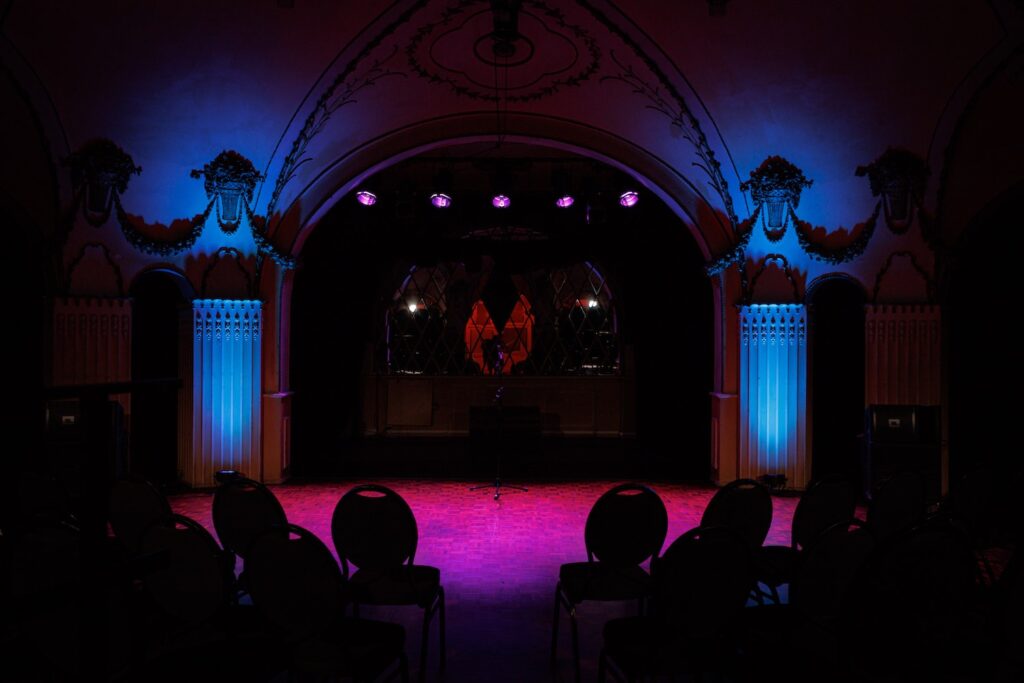
What is a Fringe festival? Photo: Anton Serdjukov
The DNA of a Fringe Festival: No Gatekeepers Allowed#
To truly understand what a fringe festival is, we have to look at its roots. The movement began in 1947 in Edinburgh, Scotland. As Dan le Man, the director of the Tallinn Fringe Festival, explained in a recent interview with Tunitemusic, a handful of theatre companies who were excluded from the official, highly curated Edinburgh International Festival decided to set up their own platforms on the "fringes" of the official event. They used any space they could find, church halls, basements, and street corners.
From that act of defiance, the "open-access" model was born. Today, there are roughly 300 to 350 fringe festivals worldwide. The defining principle of an authentic fringe festival in Europe and across the globe is that no central board or artistic director decides who is "good enough" to perform. It strips away traditional academic credentials and corporate gatekeeping, allowing independent artists to take full control of their craft. If an artist can find a venue willing to host them, they are in the program.
Exploring the Fringe Festival in Estonia#
You don’t have to travel to Scotland to experience this cultural phenomenon. The open-access revolution is thriving right here in the Baltics. If you are looking for a fringe festival in Estonia, the crown jewel is the Tallinn Fringe Festival, which has spent a decade cementing itself as a cornerstone of the local alternative arts scene.
In his interview with Tunitemusic, Dan le Man shared that he originally trained in circus and physical theatre. As a young emerging artist in the early 2000s, he performed street shows at the Edinburgh Fringe because no traditional, curated festival would accept him at that stage. That transformative experience, which he describes as the best arts education he ever received, showed him the deep gaps in support for emerging artists from non-traditional backgrounds.
When he moved to Estonia, he recognized those exact same gaps in the local scene. He started the Tallinn Fringe Festival to provide a complementary structure that supports Estonian artists who fall outside the mainstream repertory theatre system. Over the past ten consecutive years, the festival has grown into a month-long, city-wide explosion of multi-genre creativity. Running annually from mid-August to mid-September, Tallinn Fringe brings a much-needed injection of cultural democracy to Estonia. Notably, the festival has achieved a near 50/50 gender split among its performers in recent years, proving that open-access models naturally champion diverse and underrepresented voices.
How Curation Works (Without a Central Board)#
First-time visitors often ask: If anyone can perform, isn't there a lack of quality control? In the Tunitemusic interview, Dan le Man addressed this misconception directly, noting that some critics in Estonia still misunderstand the model, occasionally claiming it doesn't fit the traditional definition of "art and culture" simply because it doesn't require academic credentials.
However, as le Man points out, the magic of the fringe ecosystem is that curation happens at a decentralized level. While the festival organizers don’t hand-pick the acts, individual venues and independent producers do. If a performer has no idea what they are doing, finding a venue and attracting an audience is practically impossible. This decentralized system actually gives audiences a far broader spectrum of shows—ranging from physical theatre, circus, and comedy to music, poetry, and late-night cabaret—than any single festival director ever could.
4 Tips for First-Time Fringe Visitors#
If you are planning your first visit to a fringe festival, throw out the traditional rules of going to the theater. Drawing from Dan le Man's expert advice in his Tunitemusic conversation, here is how to get the most out of your experience:
- Embrace the 60-Minute Rule: Most fringe shows are short, typically running between 45 and 60 minutes. This makes it incredibly easy—and highly encouraged—to string multiple performances together. On a weekend, you can easily build an itinerary of three or four different shows, such as a street performance, an afternoon slot, an early evening show, and a late-night cabaret.
- Mix Comfort with the Unknown: Le Man suggests a simple rule of thumb for first-timers: challenge yourself to see something familiar, something slightly outside your usual taste, and then take a gamble on something completely outside your comfort zone.
- Be Your Own Guide: There is no "main stage" or singular "must-see" event at a fringe festival. The joy is in the exploration. Chat with fellow audience members in line, read the flyers being handed out by artists on the street, and follow your curiosity.
- Support the Artists Directly: Unlike traditional, curated festivals that pay flat artist fees, fringe artists rely directly on ticket sales. At the Tallinn Fringe, ticket revenue goes directly to the artists. This means your attendance directly funds their livelihood and independent career development—but it also means the artists take full responsibility for promoting their own work.
Step Out of Your Comfort Zone#
A fringe festival isn't just a series of performances; it is a living ecosystem of artistic freedom. It is raw, it is unpredictable, and it is a space where the barrier between performer and audience completely melts away.
Check out the full program at fringe.ee, grab a ticket to something that catches your eye, and dive headfirst into the wonderful world of independent art!