Cabaret at Tallinn Fringe 2026: Variety Unleashed
From Icelandic burlesque and drag to Estonian late-night cabaret, Tallinn Fringe 2026 turned variety into a month of surprises.
What happens when burlesque, circus, comedy, live music, drag and theatrical experimentation share the same stage? At Tallinn Fringe Festival 2026, the answer was a cabaret programme that refused to settle into one predictable format. Running from 18 August to 18 September, the festival brought together international touring artists, local performers and independent productions that blurred the boundaries between entertainment, performance art and theatre.
Cabaret and variety have always thrived on surprise, transformation and a certain willingness to break the rules. At Fringe, a glamorous evening can suddenly become absurdist theatre, a musical performance can turn into a confession, and a circus act can share the spotlight with stand-up comedy. Across Tallinn, these performances transformed bars, clubs, jazz venues and unconventional spaces into places where almost anything could happen.
Glamour, Tarot and a Little Chaos#
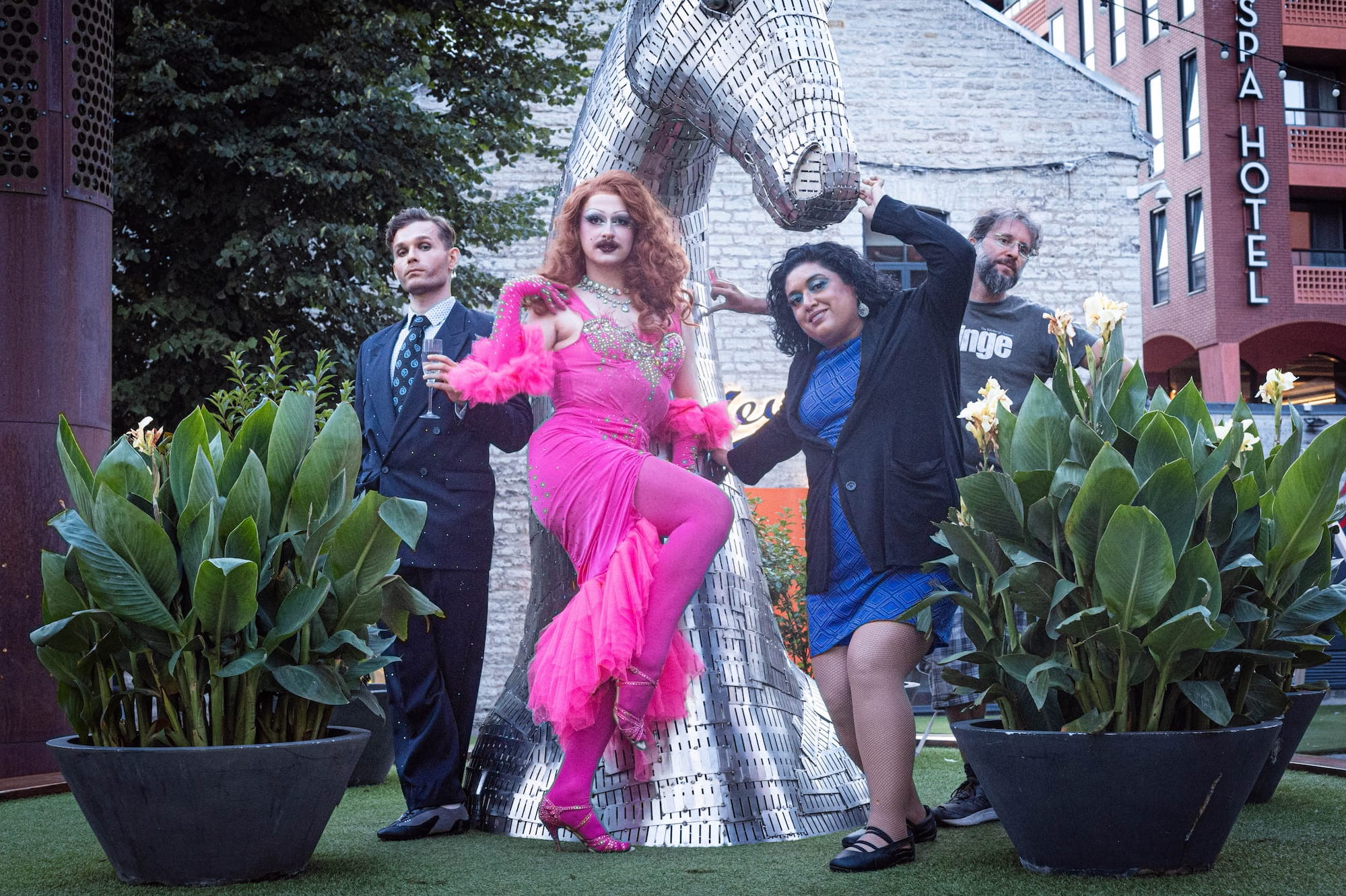
One of the festival's early highlights was Tallinn Fringe Variety Extravaganza, held at Chicago 1933 on 19 August. Hosted by Sille-Kadri Simer, the evening brought together Evil Sasha, d'Argento, Ana Falcon and Delfi Oraakel, with tarot readings by Jana Levitina adding another layer of mystery to the proceedings. The audience was encouraged to dress according to an Estonian theme, participate in activities and compete for a prize for the best costume, making the evening more than a conventional show to sit back and watch.
The format captured something essential about variety entertainment: the audience is not always expected to remain a passive observer. Costumes, interaction, humour and theatrical spectacle become part of the same experience, while the atmosphere of the venue helps determine what kind of evening unfolds.
Cabaret as Therapy, Confession and Provocation#
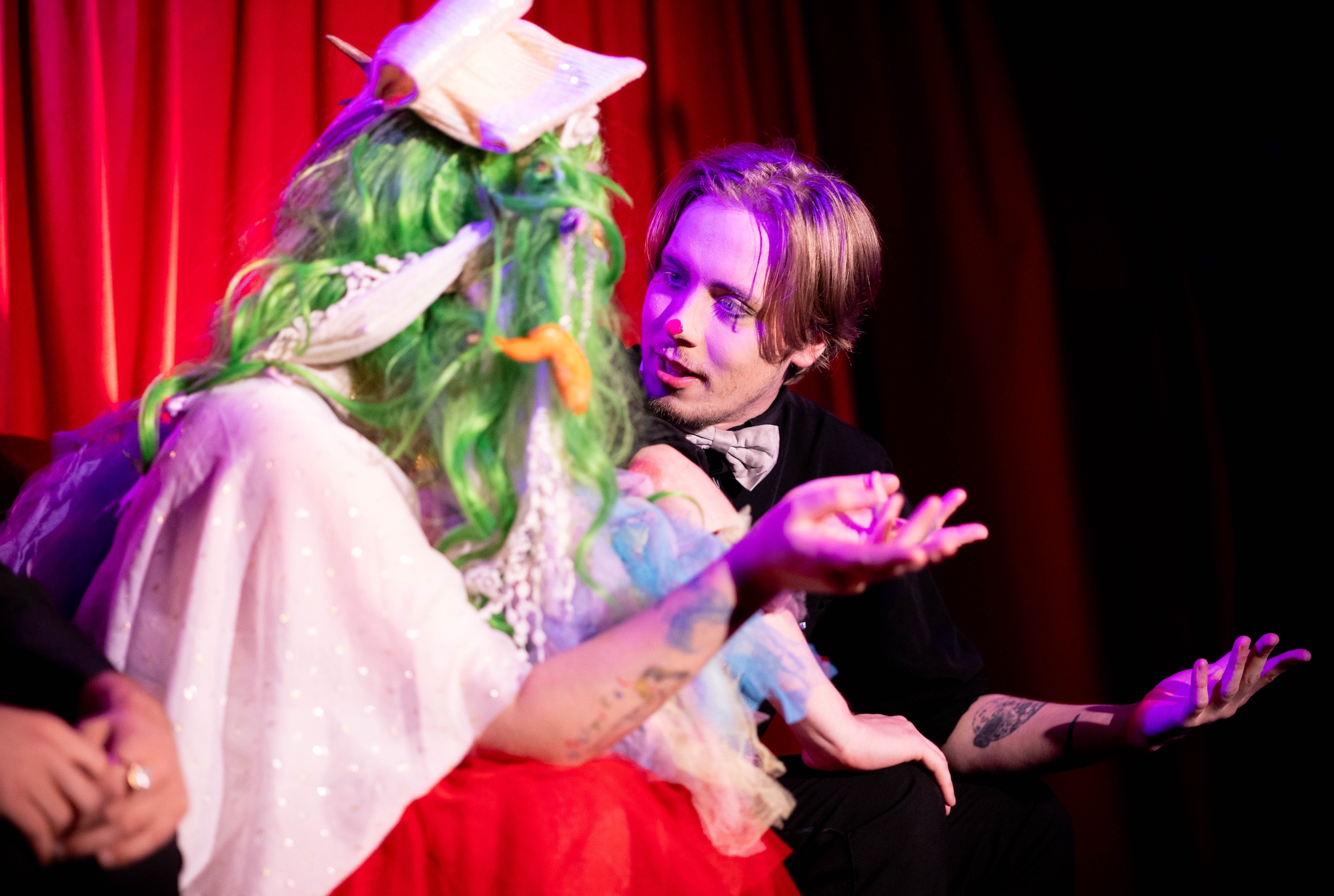
Not every cabaret performance is about glamour and escapism. Love is a Lube brought together d'Argento, Lebo Sibul and Cvm Unity for a self-described therapy cabaret exploring love, excessive partying and the ways people try to escape their own feelings. Singing, stripping, clowning and absurd humour became tools for a conversation that was part talk show, part performance and part deliberately unconventional therapy session.
The show's mix of intimacy and provocation reflected the more experimental side of cabaret, where personal vulnerability and outrageous spectacle can coexist. Rather than separating entertainment from emotional expression, the performers used both to explore the complicated relationship between desire, identity and self-understanding.
A different kind of emotional honesty appeared in Honest to a Fault by Icelandic singer-songwriter Heather Ragnars. Combining piano, voice, conversational heartbreak songs and sharp humour, the intimate solo show demonstrated that cabaret does not always require feathers, elaborate costumes or a crowded stage. Sometimes, a performer and a piano are enough to turn personal experience into a theatrical encounter.
An Icelandic Feast of Burlesque and Circus#
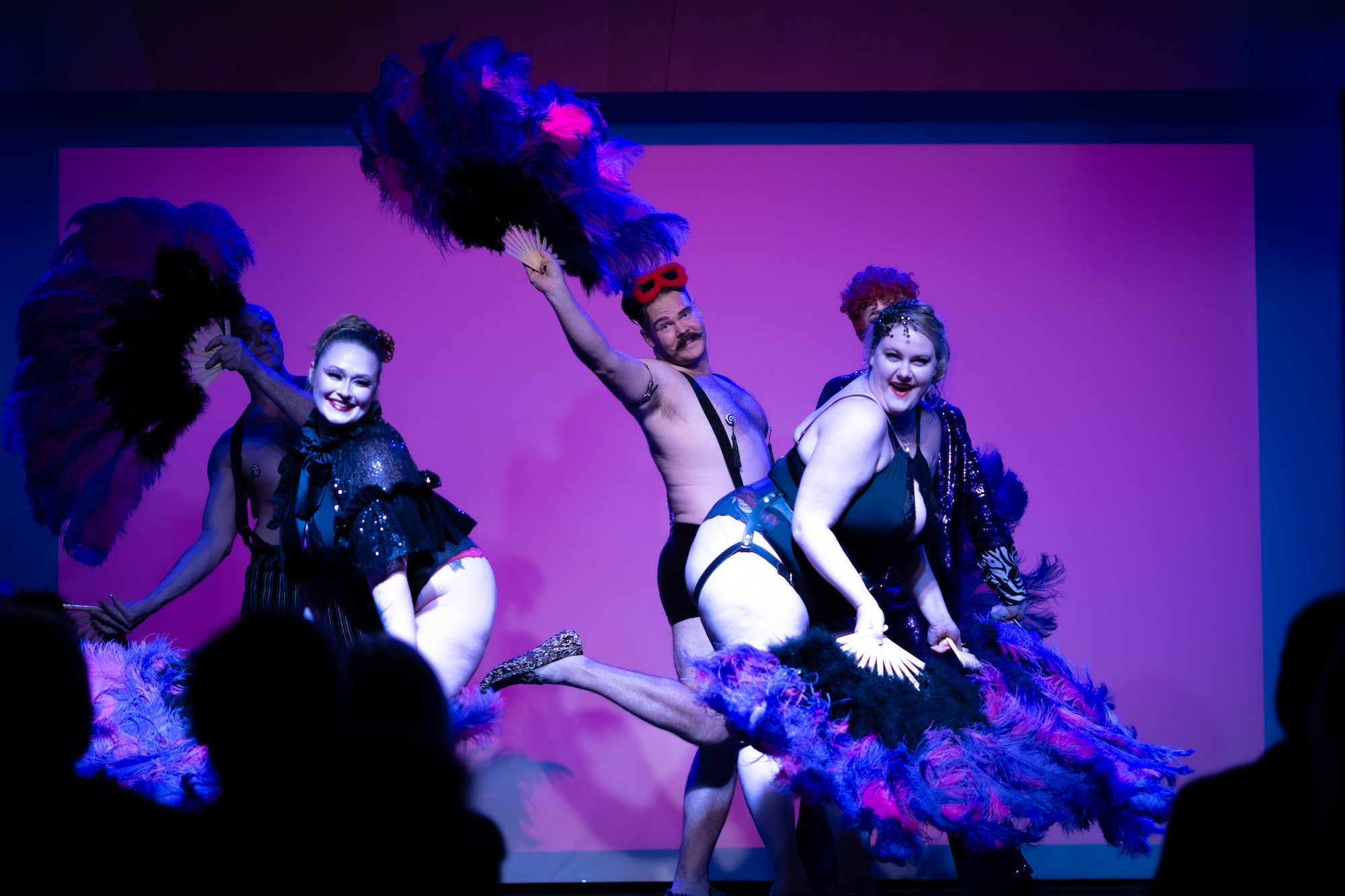
The international character of the programme was particularly evident in Succulent Circus: Icelandic Cabaret in Tallinn, which arrived at Erinevate Tubade Klubi from 27 to 29 August. Hosted by Iceland's drag icon Gógó Starr, the production featured burlesque performer Miss Mokki, hoop dancer Bobbie Michelle, circus artists Dan the Man and Mr. Tombastic, combining comedy, circus skills and unapologetic cabaret spectacle.
The show's inspirations ranged from body positivity and guilty pleasures to karaoke favourites and dance-floor anthems. Its performers brought experience from Iceland's variety scene and previous tours across Nordic and European cities, creating an evening that was deliberately extravagant, playful and physically expressive. With performances in English and without spoken language, it also demonstrated how cabaret can travel across borders without losing its personality.
The Grand Cabaret: A Meeting of International Talents#
On 5 September, Betty Rocket Presents: The Grand Cabaret brought an international cast to Philly Joe's Jazz Club for an evening combining burlesque, stand-up comedy, circus and improvisation. The line-up included Berlin-based Brazilian burlesque performer Jade Felina, Argentine-born clown and circus artist Cronopio, Finnish improvisational theatre company Ruutu 10, British comedian and musician Josie Kikas-Booth, and producer and performer Betty Rocket herself.
The variety of backgrounds was central to the show's appeal, with theatrical burlesque, juggling, tightrope skills, improvised storytelling and comedy occupying different parts of the same evening. Rather than presenting a single artistic language, the show brought contrasting disciplines together in a shared space, allowing each performer to contribute a different kind of surprise.
An Estonian Late-Night Cabaret#
Cabaret at Tallinn Fringe was not exclusively an international affair. On 4 September, House of Palagan's Late-Night Cabaret took over Fotografiska Tallinn with an Estonian-language programme hosted by Kaisa Ling, accompanied by pianist Rene Paul. The line-up included Katarina von Schatz, Kenraalijack, Kairi Leivo, pole dancer Eliise Piirla, stand-up comedian Sander Õigus and Cronopio, bringing burlesque, drag, circus, music and comedy together under one roof.
The event showed how the variety format can provide a platform for artists from very different backgrounds, allowing them to share an audience without having to fit into a single genre. It also highlighted the strength of Estonia's own performance scene, where music, humour, physical skills and theatrical personalities can meet in an evening designed for adult audiences.
Post-Punk, Clowning and the Art of Being Almost Family-Friendly#
Music and cabaret collided in Post-Punk Cabaret Part 1: Almost Family-Friendly, presented by Sasha Paris-Carter and Lebo Sibul at Kopli Couture on 5 September. The duo combined original electric and acoustic music with theatrical storytelling, dark humour and a playful, sensual stage dynamic, building a narrative around ambition, self-discovery and their chaotic journeys from New York to Narva. The first part introduced the audience to their world in a comparatively gentle way, with a second instalment offering a more provocative continuation.
The project was a reminder that cabaret does not have to follow the traditional format of a host introducing a series of unrelated acts. Music, character, narrative and visual performance can all belong to one developing work, somewhere between an alternative concert and a theatrical experiment.
.jpg)
Late Nights, Unexpected Acts and the Fringe Spirit#
Throughout the festival, Late Night Cabaret at Heldeke! provided a recurring meeting point for the Fringe community. Hosted on different nights by Kaisa Ling or Eeben Früülep, with Rene Paul Allkivi and a rotating cast of performers, these late-night shows brought together comedy, music, improv, circus, drag, burlesque and other unexpected forms of live entertainment. The format offered audiences an opportunity to discover artists they might otherwise have missed, often in the intimate and informal atmosphere of a theatre-bar-burlesque club.
This recurring event captured the essence of cabaret and variety at Tallinn Fringe: a programme that can change dramatically from one night to the next, with no single style or discipline dominating the stage. A visitor might encounter a burlesque act, a musical performance, an improvised scene or an eccentric circus artist, all within the same evening.
One Festival, Countless Ways to Entertain#
The cabaret and variety programme of Tallinn Fringe 2026 demonstrated that entertainment does not have to mean predictable formats or familiar categories. Icelandic burlesque, Estonian variety, international circus, piano-and-voice storytelling, post-punk performance and late-night experimental shows all found room within the same month-long festival.
The real distinction was not between high art and popular entertainment, or between theatre and spectacle. It was the freedom to combine them, to move between humour and vulnerability, elegance and absurdity, music and movement, and to let the audience experience something unexpected. At Tallinn Fringe, cabaret was not simply a nostalgic form of stage entertainment; it was a living, changing space for artists to experiment and audiences to be surprised.
And that may be the best definition of variety: you never quite know what comes next, and that is precisely why you stay for the next act.