Beyond the Stage: The Many Faces of Performance Art
Performance art is a living, breathing art form that blurs the lines between artist and audience, challenging our perceptions of reality and creativity.
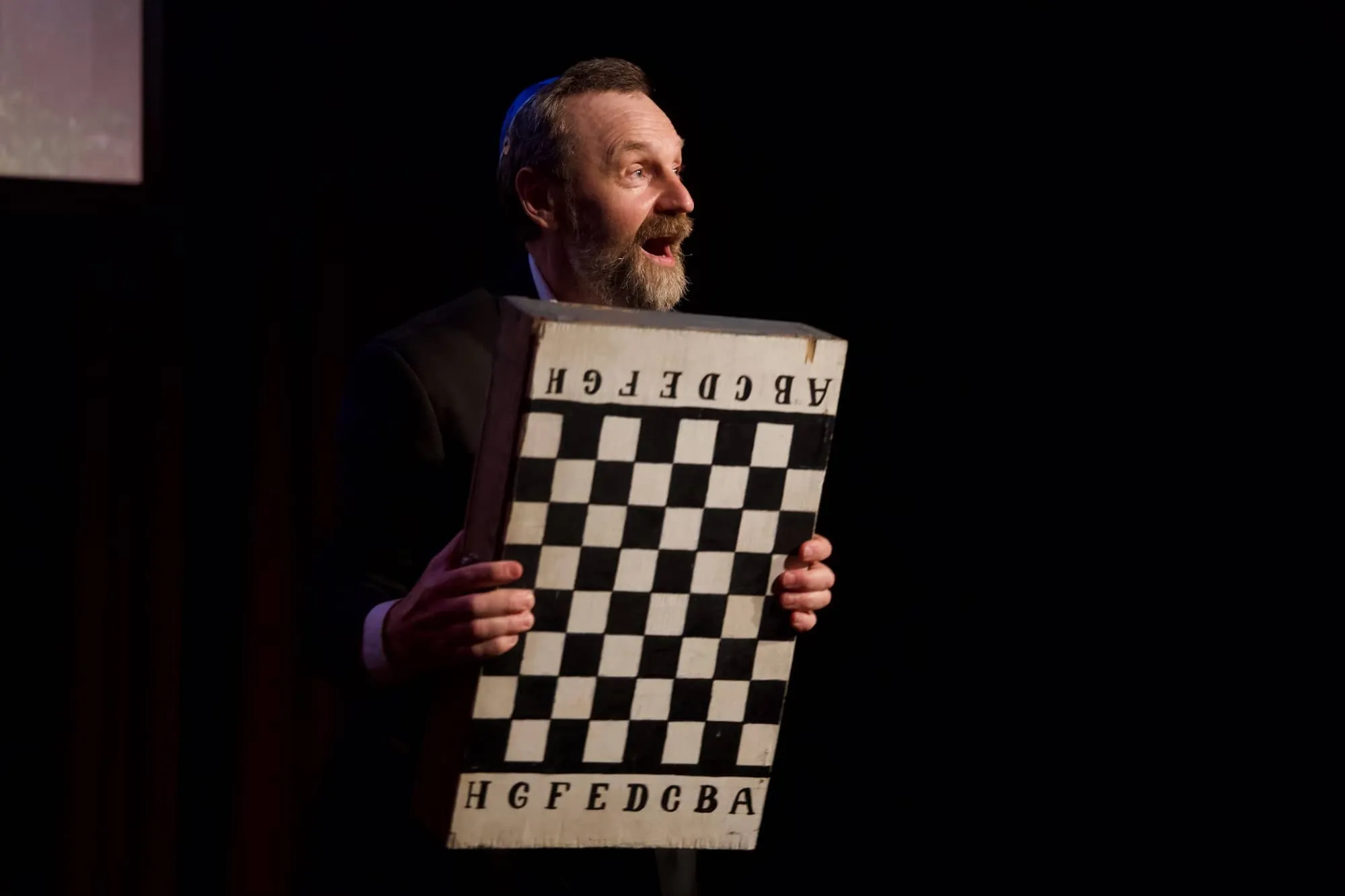
The Living Canvas of Human Expression#
Performance art is often described as the most democratic of art forms because it requires no special equipment, no expensive materials, and no dedicated gallery space. The artist’s body is the primary medium, and the performance itself is the artwork. Unlike traditional art forms that result in a tangible object, a painting, a sculpture, a novel, performance art is ephemeral. It exists only in the moment it is created, leaving behind only memories, photographs, and the emotional impact it leaves on the audience.
The significance of performance art lies in its immediacy and its ability to confront the audience with raw, unfiltered human experience. It is a direct communication between the artist and the viewer, bypassing the filters of language and cultural convention. In a world that is increasingly mediated by technology and screens, performance art offers a chance for genuine, unmediated human connection. It forces us to be present, to engage with the discomfort, the beauty, and the complexity of the human condition in real-time.
The Many Faces of Performance#
One of the most fascinating aspects of performance art is its incredible diversity. It is not a single, unified style but a vast umbrella under which countless different forms and practices exist. This variety ensures that there is always something new to discover, and that the art form remains dynamic and evolving.
Here are some of the key varieties and approaches within performance art:
- Body Art: This form focuses on the artist’s own body as the primary medium. It can involve painting the body, modifying it through tattoos or piercings, or using it in extreme physical ways to explore themes of pain, endurance, and identity.
- Situational Performance: These performances are often site-specific and involve creating a situation or an event that the audience can observe or even participate in. They often blur the line between art and life, challenging the audience to question their role as observers.
- Theatrical Performance Art: While distinct from traditional theater, some performance art incorporates narrative, character, and dramatic structure. However, unlike theater, these performances often lack a fixed script, allowing for improvisation and spontaneity.
- Digital and Virtual Performance: With the rise of technology, performance art has expanded into the digital realm. Artists use virtual reality, live streaming, and interactive media to create performances that can reach a global audience and explore new dimensions of presence and interaction.
- Social Practice and Activism: Many performance artists use their work as a tool for social and political change. These performances often take place in public spaces and are designed to provoke thought, spark dialogue, and inspire action on issues such as climate change, social justice, and human rights.
The Fringe as a Catalyst for Innovation#
While performance art can be found in galleries, museums, and public spaces, it finds a particularly fertile ground in fringe festivals. These festivals, such as the Tallinn Fringe Festival, provide a unique platform for performance artists to experiment, take risks, and connect with audiences in unconventional ways.
The fringe environment encourages a spirit of exploration and collaboration that is essential for the growth of performance art. Artists are free to push boundaries, challenge norms, and explore controversial topics without the constraints of commercial expectations. This freedom allows for a diversity of voices and styles that might not be seen in more traditional venues.
Moreover, fringe festivals often take place in non-traditional spaces, adding an extra layer of immersion and surprise to the performance. A performance in an abandoned warehouse, a rooftop, or a public square can transform the audience’s perception of the space and the art itself.
The Future of Performance Art#
As we look to the future, performance art is poised to continue its evolution, embracing new technologies, new forms of collaboration, and new ways of engaging with audiences. It will remain a vital and vital part of the cultural landscape, offering a space for experimentation, expression, and human connection. Whether in a fringe festival or a major gallery, performance art will continue to challenge, inspire, and surprise us, reminding us of the power of the human body and spirit to create meaning in a complex world.