Why Open-Access Fringe Festivals Create More Diverse Art
In an era when many cultural institutions are becoming increasingly cautious, curated, and commercially driven, the rise of the open-access fringe festival…
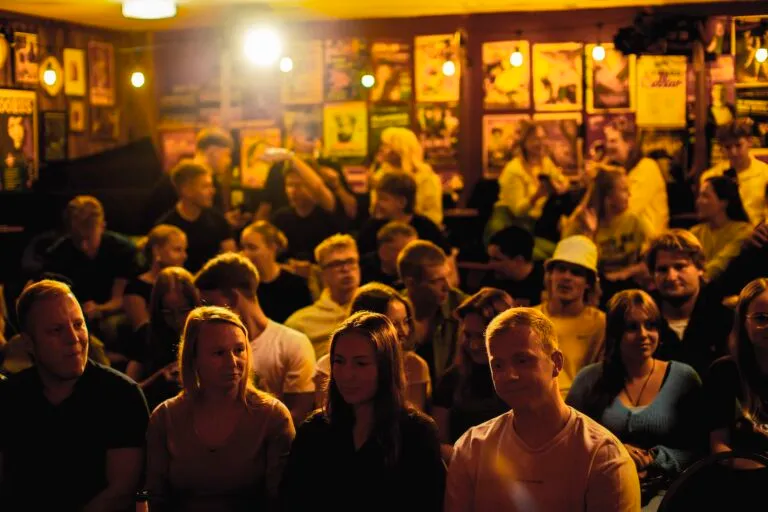
In an era when many cultural institutions are becoming increasingly cautious, curated, and commercially driven, the rise of the open-access fringe festival offers something rare: unpredictability. Across Europe and beyond, these festivals have become some of the most important spaces for artistic experimentation, emerging voices, and alternative cultural movements. Unlike traditional festivals built around selection committees and institutional gatekeeping, fringe festivals often operate on a radically simple principle — anyone can participate.
That openness changes art itself.
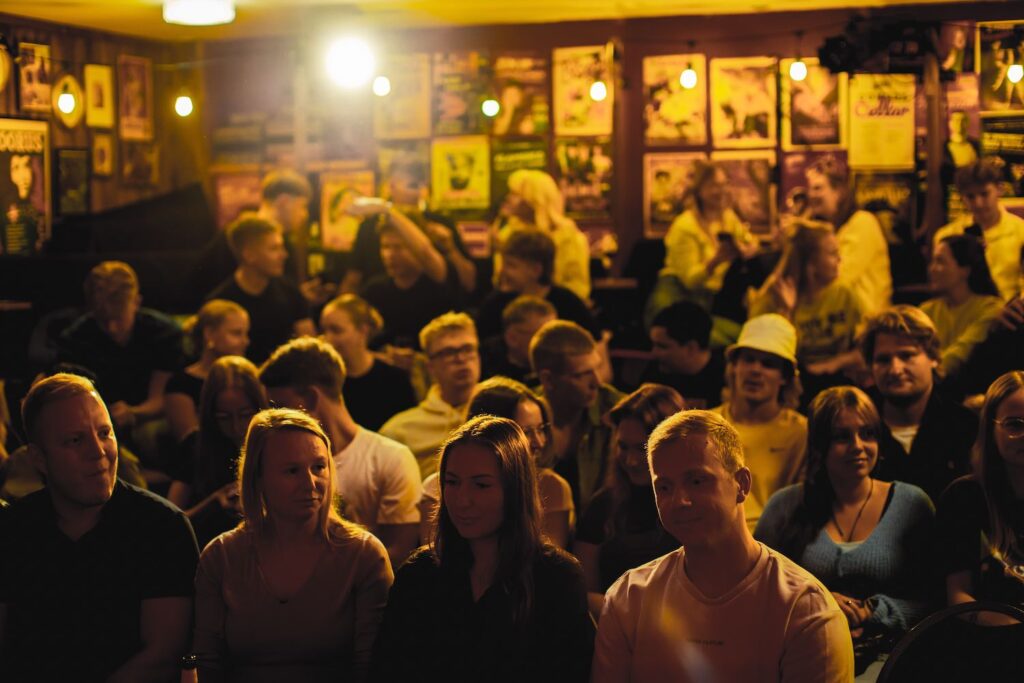
Fringe festisval in Heldeke Tallinn Estonia, Photo by Anton Serdjukov
The Difference Between Curated and Open-Access Festivals#
Most major arts festivals rely on a selection process. Applications are filtered through artistic directors, funding priorities, political considerations, sponsorship expectations, and marketability. While this system can produce high-quality programming, it also naturally favors artists who already understand institutional language and aesthetics.
An independent arts festival built on open-access principles works differently. Instead of asking whether an artist fits a curatorial vision, it asks whether they are willing to create and present work. The result is a far broader artistic ecosystem.
This model allows:
- emerging artists to perform without institutional approval
- experimental forms that might be considered financially risky
- politically uncomfortable works
- underground music scenes
- interdisciplinary collaborations
- culturally hybrid performances
- unfinished or evolving artistic concepts
The absence of heavy gatekeeping creates an environment where diversity emerges organically rather than symbolically.
Diversity Comes From Structural Freedom#
Many cultural institutions speak about diversity while maintaining systems that unintentionally restrict it. Open-access fringe festivals achieve diversity not primarily through policy, but through structure.
When participation barriers are low, artists from different economic, cultural, and aesthetic backgrounds naturally enter the space. A classical composer may perform next to an industrial noise collective. A philosophical theatre piece might share the same street as an experimental electronic performance or a politically charged spoken-word event.
An alternative culture festival thrives precisely because it allows contradiction. It does not attempt to create a unified artistic identity. Instead, it becomes a temporary city of competing ideas, aesthetics, and voices.
This matters because artistic innovation rarely begins inside stable institutions. Historically, new artistic movements emerge at the edges — in informal venues, temporary communities, underground scenes, and experimental gatherings. Fringe culture acts as a laboratory for future mainstream art.
Why Music Benefits Especially From Fringe Culture#
The music industry increasingly rewards predictability. Streaming algorithms encourage shorter attention spans, familiar structures, and easily categorized genres. Independent musicians often struggle to find physical spaces where unconventional ideas can exist without pressure to become commercially viable.
The open-access fringe festival offers one of the few remaining environments where musicians can test ideas publicly without needing immediate market validation.
This is especially important for:
- avant-garde composition
- contemporary classical music
- experimental electronic music
- improvisational performance
- multimedia concerts
- genre fusion projects
- politically or philosophically driven works
In these spaces, artists are not forced to simplify themselves for accessibility. Audiences attending fringe festivals often arrive expecting discovery rather than familiarity. That psychological shift changes how art is received.
A difficult performance at a commercial venue may feel alienating. The same performance inside an independent fringe environment can feel adventurous and alive.
Fringe Festivals Create Cultural Ecosystems, Not Just Events#
The most valuable aspect of fringe culture is not simply the performances themselves, but the networks they create. Fringe festivals allow artists, audiences, organizers, and independent media to interact outside heavily commercialized systems.
An independent arts festival often functions more like a temporary cultural ecosystem than a traditional event. Collaborations emerge spontaneously. International artists meet local scenes. Small publications discover new voices. Experimental works gain their first audiences.
These festivals also strengthen local cultural identity. Cities that support fringe culture tend to develop more resilient artistic communities because artists feel permitted to take risks.
This is why many of the world’s most culturally influential cities maintain strong fringe infrastructures alongside institutional arts organizations. The underground and the mainstream continuously influence each other.
The Risk of Over-Institutionalizing Fringe Culture#
Ironically, successful fringe festivals sometimes face a new danger: becoming institutional themselves. As festivals grow, attract tourism, and secure sponsorships, pressure increases to become safer, more curated, and more commercially attractive.
When this happens, the original openness can slowly disappear.
Maintaining the spirit of an alternative culture festival requires protecting uncertainty. Not every performance should be polished. Not every event should be financially optimized. Some artistic value exists precisely in experimentation, failure, and unpredictability.
The health of a cultural scene depends not only on excellence, but also on permission — permission for artists to attempt something difficult, strange, or unfinished.
Why Open-Access Festivals Matter More Than Ever#
At a time when digital platforms increasingly shape artistic visibility through algorithms and monetization systems, physical open-access festivals serve an essential cultural role. They reintroduce chance into artistic discovery.
Audiences encounter works they would never search for online. Artists interact outside platform logic. Art becomes social again rather than purely consumable.
The importance of the open-access fringe festival lies not only in accessibility, but in creative freedom itself. These festivals remind us that culture grows strongest when participation is expanded rather than controlled.
The future of diverse art may depend less on institutions trying to engineer diversity from above, and more on creating structures where diversity can emerge naturally from below.