01
You’ll get it
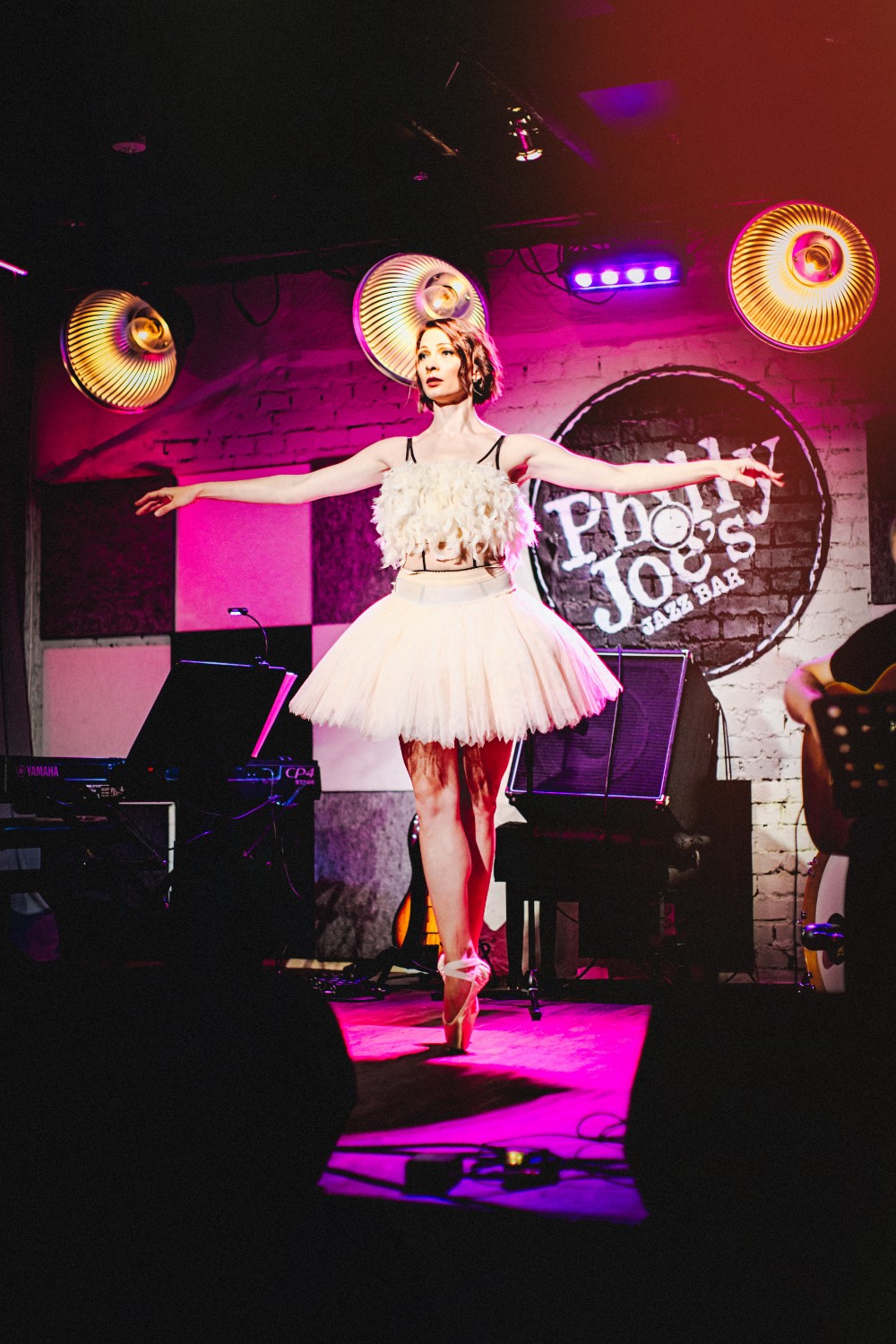
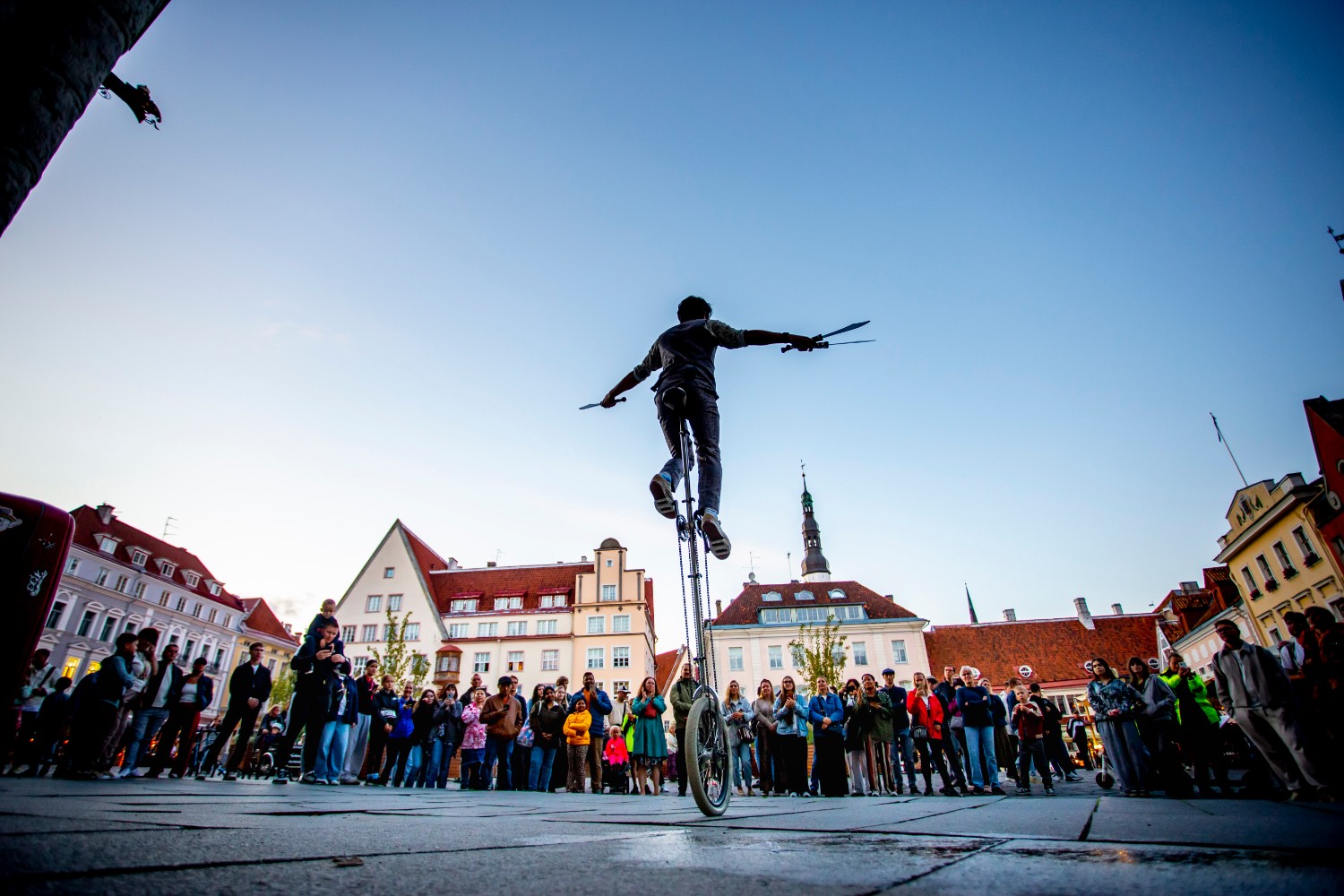
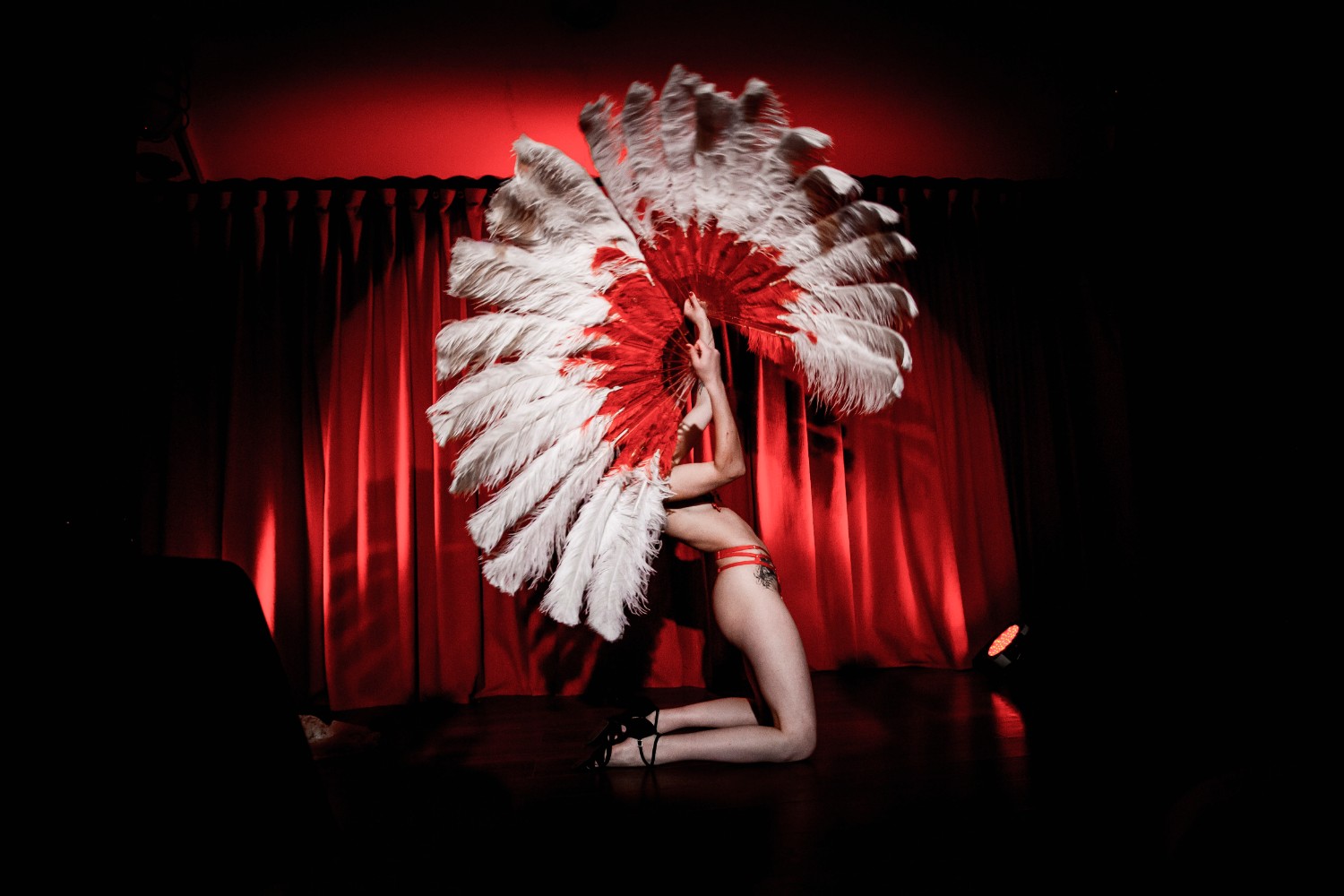
Circus, dance, music, burlesque and visual theatre work across languages. Many comedy and theatre shows are also performed in English.
A month-long city festival packed with theatre, comedy, circus, music and performances you did not know you were looking for.
A city break with a twist
Start with the performance that catches your eye. Then use this page for programme, accommodation and practical visitor information.
One month. One city.
Music, theatre, circus, dance, comedy, burlesque and everything in between.
It is not a one-main-stage festival. You choose the show that interests you, arrive at the venue and let the city surprise you.
That is why it is a good reason to see Tallinn differently, even if you think you already know the city.
Why Fringe?
Circus, dance, music, burlesque and visual theatre work across languages. Many comedy and theatre shows are also performed in English.
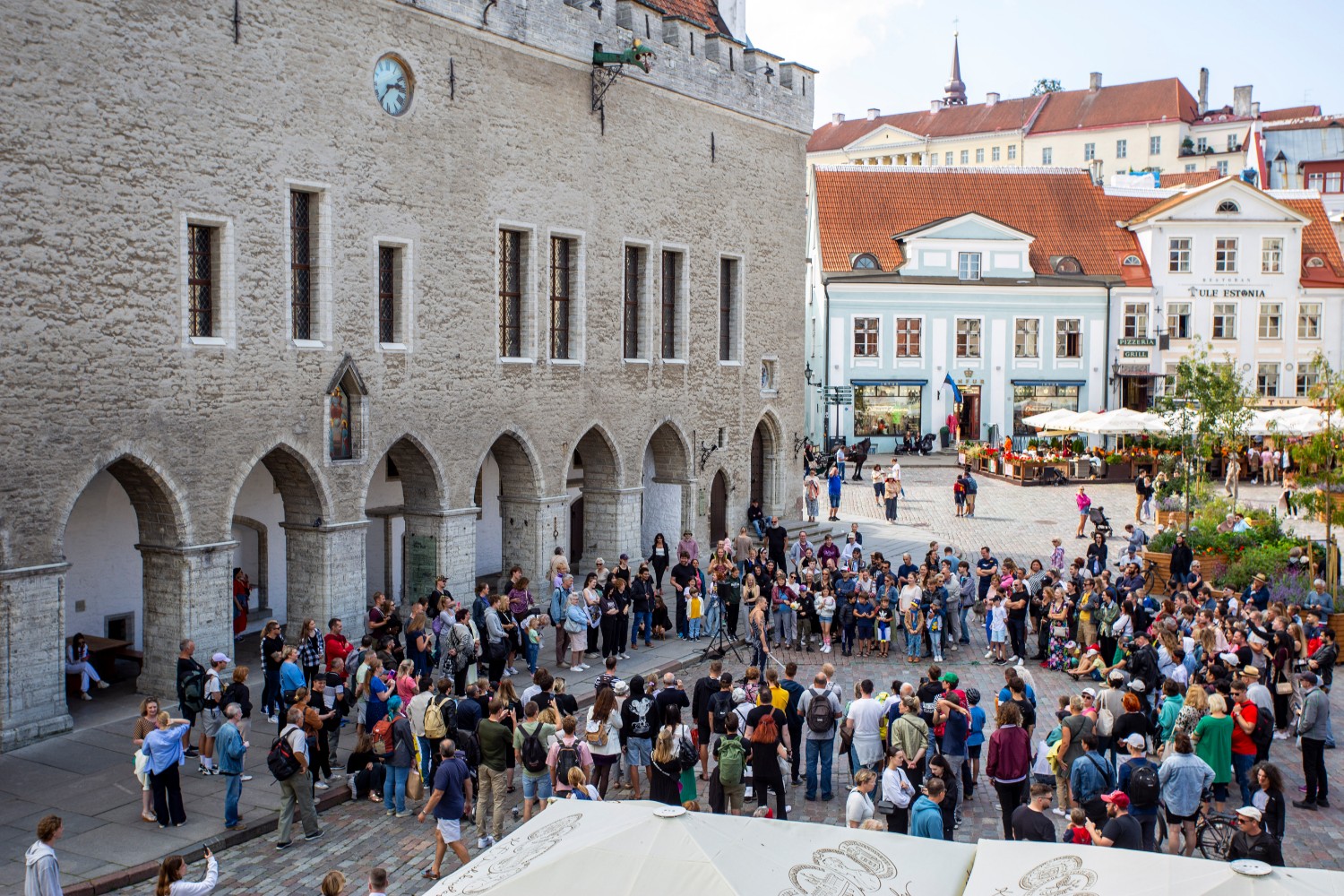
Shows happen in theatres, bars, clubs and unexpected city spaces. You discover places a regular weekend trip might never show you.
Fringe is not a one-main-stage festival. Build your evening around one show, or see several performances on the same day.
Plan your Fringe night
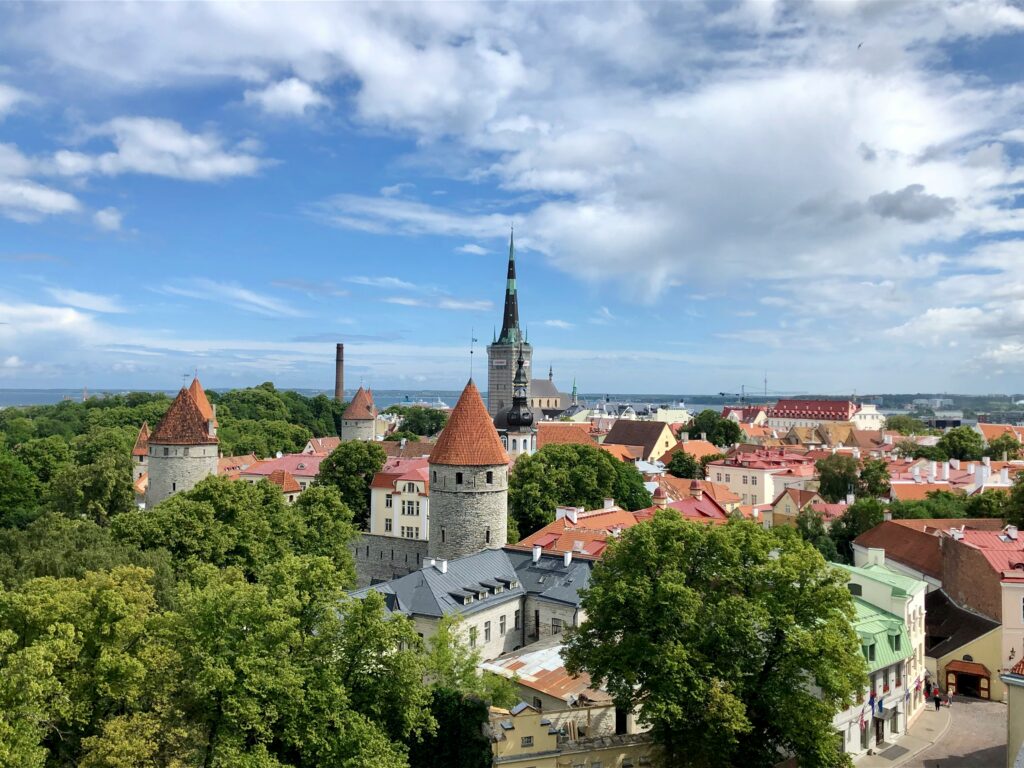
Tallinn Fringe works whether you have one free evening, a long weekend or a full festival week. The programme is spread across the city, so every route can become its own small discovery.
Come for theatre, comedy, circus, music or something harder to define. Around the shows you will find the Old Town, restaurants, bars, saunas and late-summer evenings.
Three steps
Across the Gulf of Finland
You can reach Tallinn from Helsinki by ferry in about two hours. Choose the company and departure that fit your schedule, then come for a day or the full festival weekend.
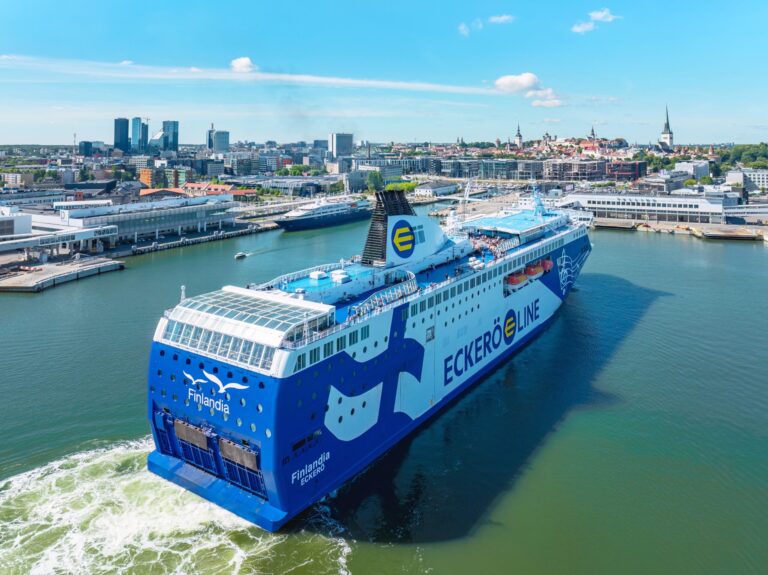
M/s Finlandia sails between Helsinki and Tallinn three times a day. You can choose a day trip, a six-hour mini cruise, or a one-way or return journey with or without a car.
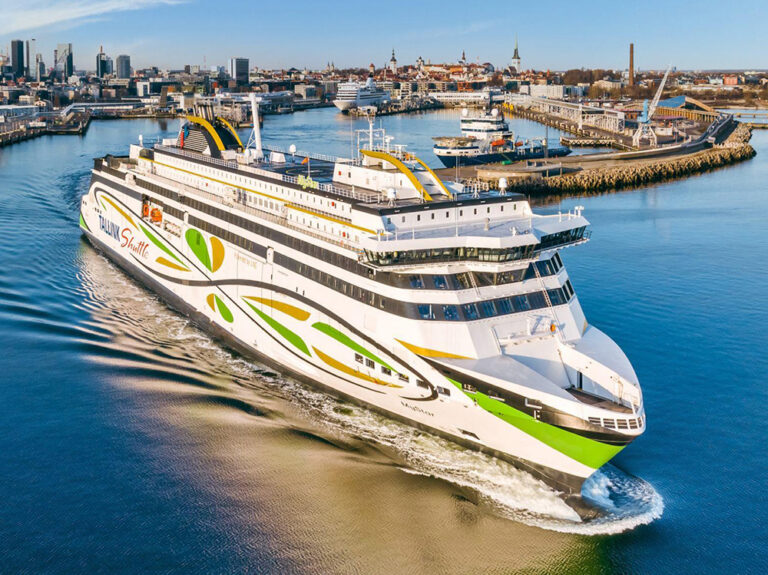
MyStar and Megastar connect Helsinki and Tallinn with several daily departures. These fast ferries offer restaurants, shopping and comfortable spaces for the two-hour trip.
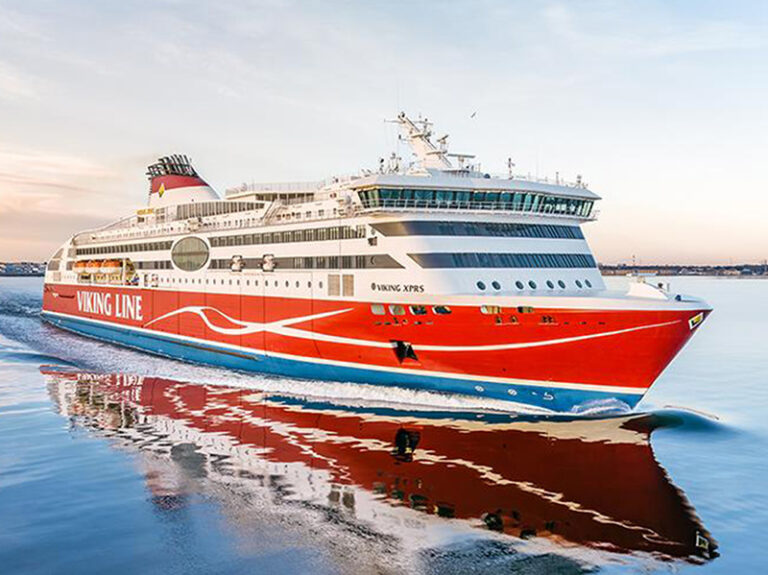
Viking XPRS runs regularly between Helsinki and Tallinn. On board you will find restaurants, tax-free shopping and options for both a day trip and a longer stay.
Festival offers
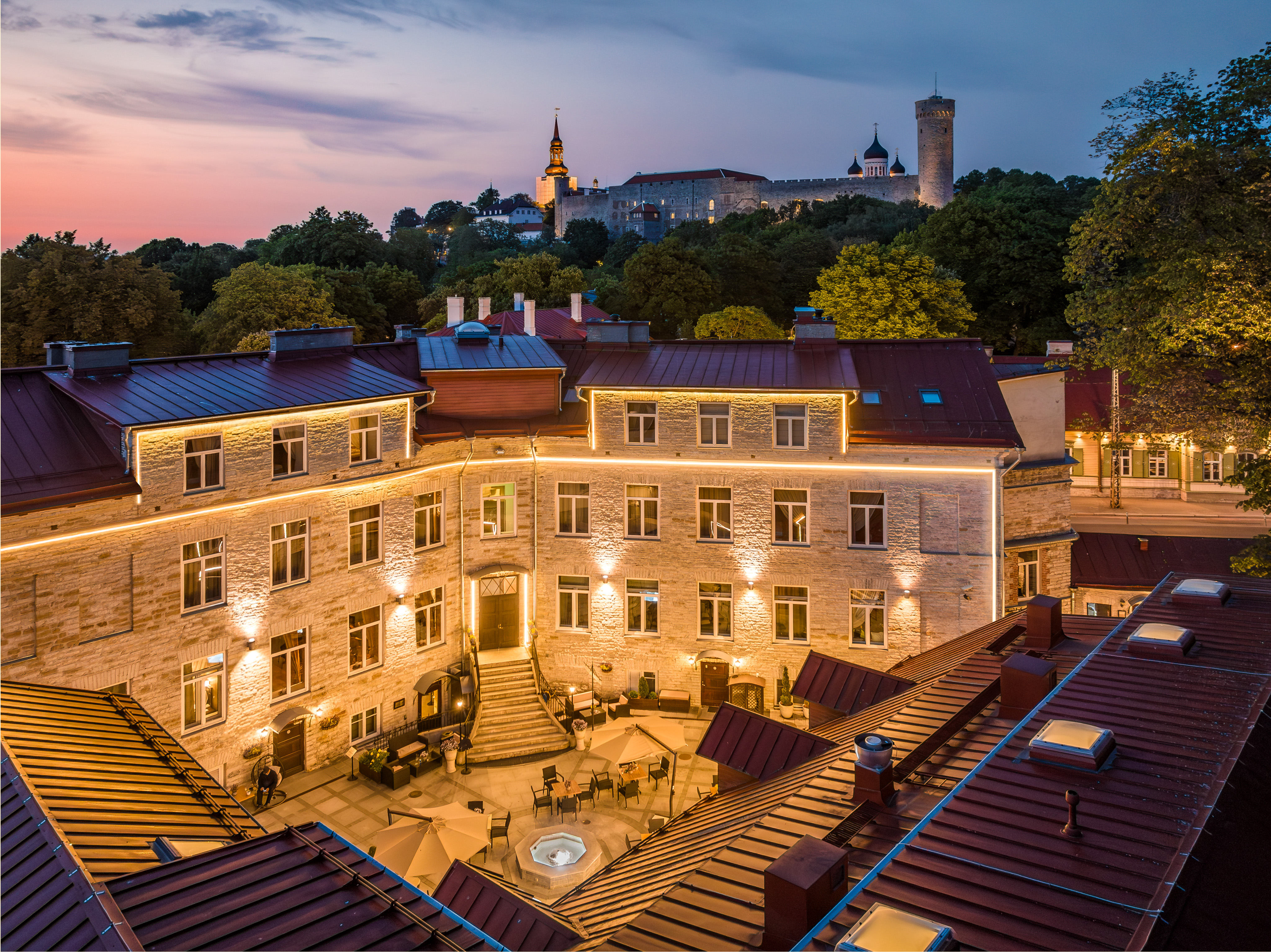
The von Stackelberg Hotel is a 4-star boutique hotel set in a beautifully restored 19th-century manor right beside…
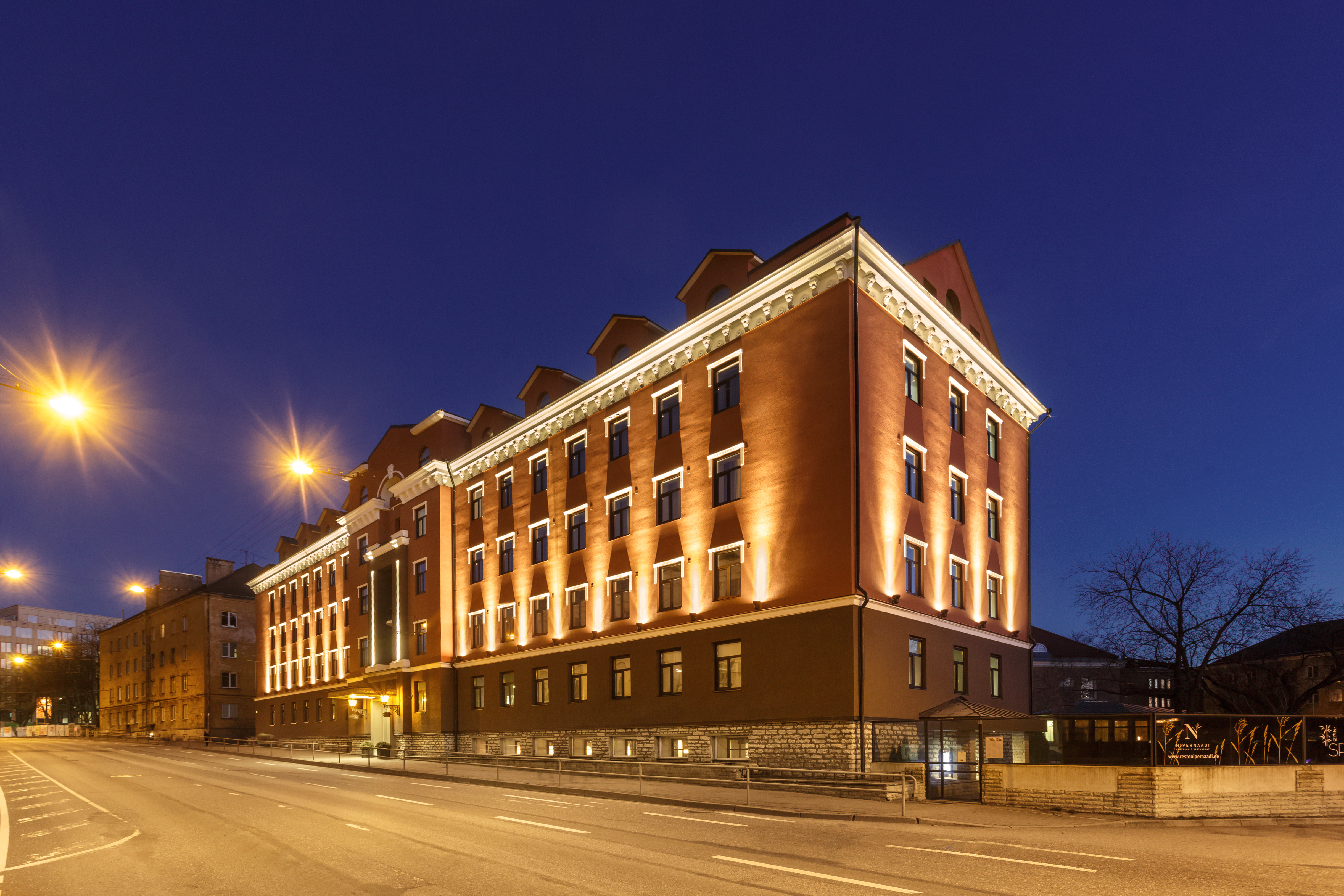
The Kreutzwald Hotel Tallinn is a beautiful 4-star hotel located in the heart of the city, just a 10-minute walk from…
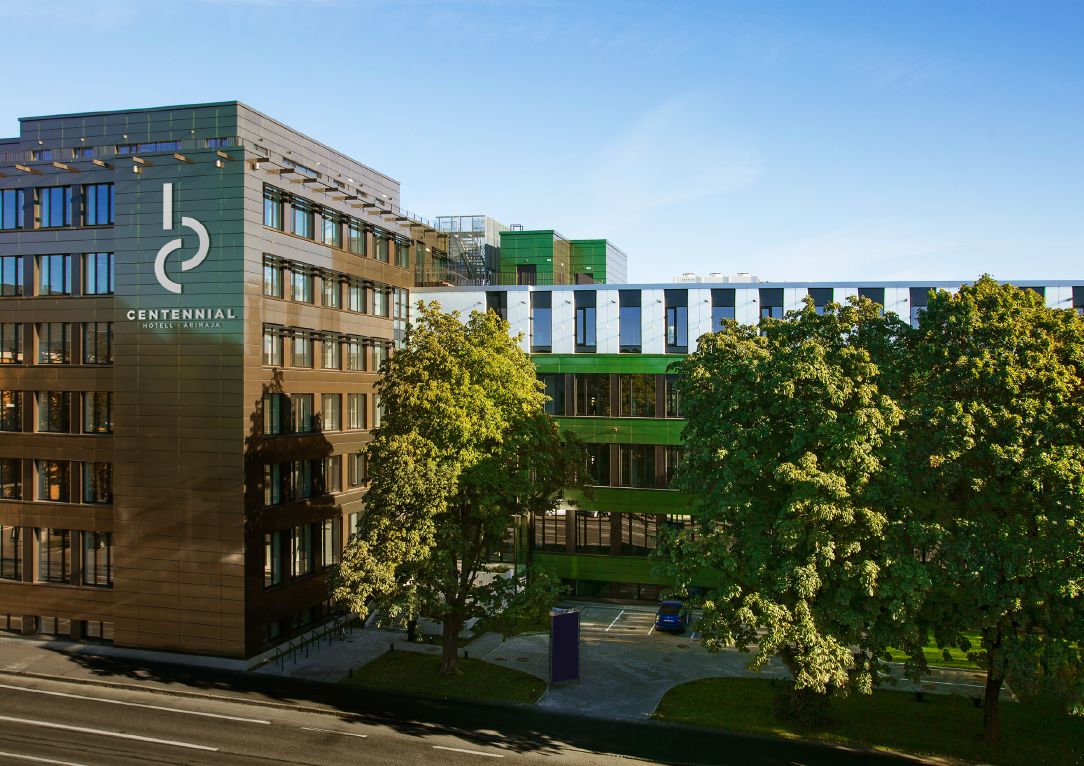
The Centennial Nexus Hotel Tallinn is a modern 4-star hotel where work, stay, and play come together in one seamless…
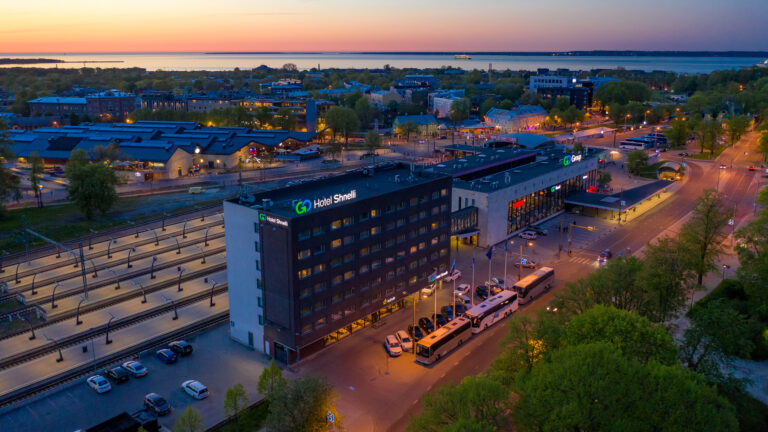
Tallinn Fringe Festival is all about creativity, discovery, and unforgettable experiences—and Go Hotel Shnelli is the…
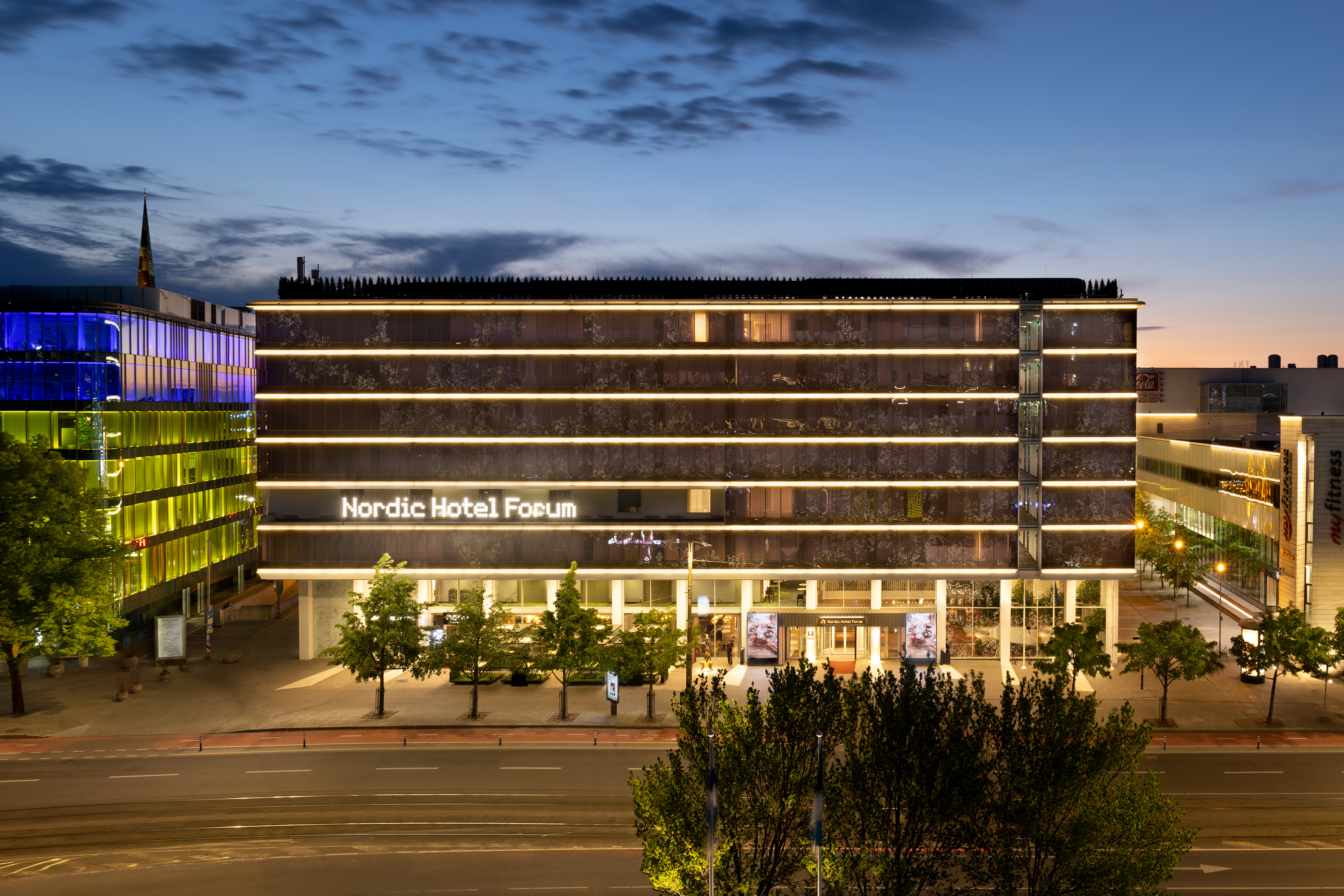
A modern 4-star superior business and conference hotel, Nordic Hotel Forum welcomes you in the very heart of the…
Programme and tickets
The programme is published in stages. Browse shows, choose your date and get early bird tickets at the best price.
Explore the programme →In the city
Most festival stops are easiest to reach on foot, by public transport or with a short ride-hailing trip. Choose what fits the distance, time and weather.
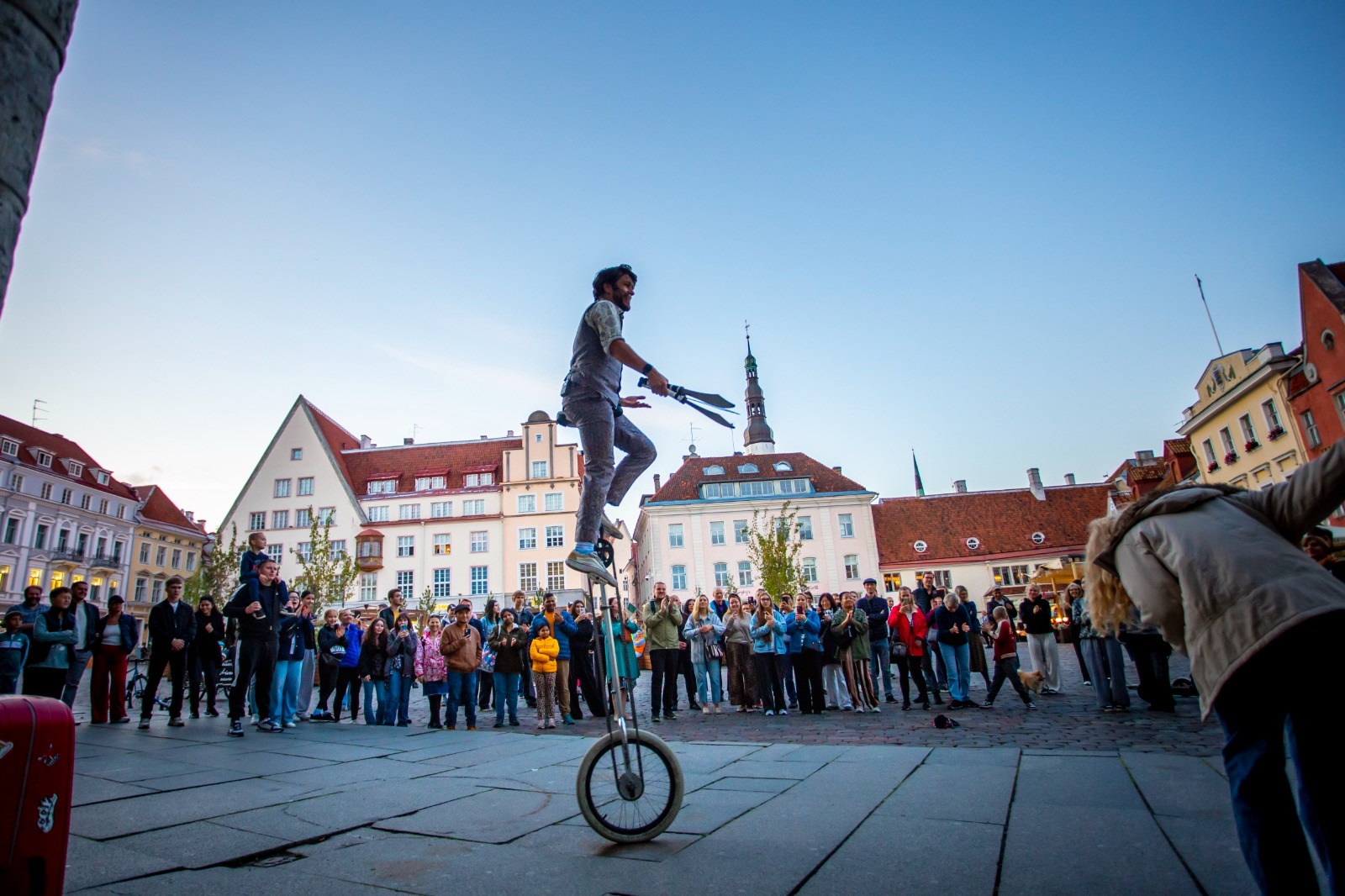
Walking works well for short hops. For longer moves, Tallinn’s public transport is reliable, and visitor ticket guidance is kept up to date by Visit Tallinn.
When you need a direct ride between shows, Bolt and Uber are the usual app choices. Local provider Forus is also worth installing.
Scooters and bikes can be useful between nearby venues. Ride and Bolt cover scooters; Bikeep helps find secure bike parking, and Rekola rents bikes.
For short-term car needs, Citybee and Bolt Drive offer app-based rentals with pick-up and drop-off zones around Tallinn.
Tallinn Fringe Festival began in 2016 as Boom Chika Wau Wau in the Telliskivi area. In 2026, the festival takes place for the tenth time.
The programme is not curated by a festival team or cultural board. Performers agree shows directly with venues, and venues bring confirmed performances into the programme.
That is why the programme is diverse, colourful and genuinely fringe. Tallinn Fringe is part of the World Fringe network.
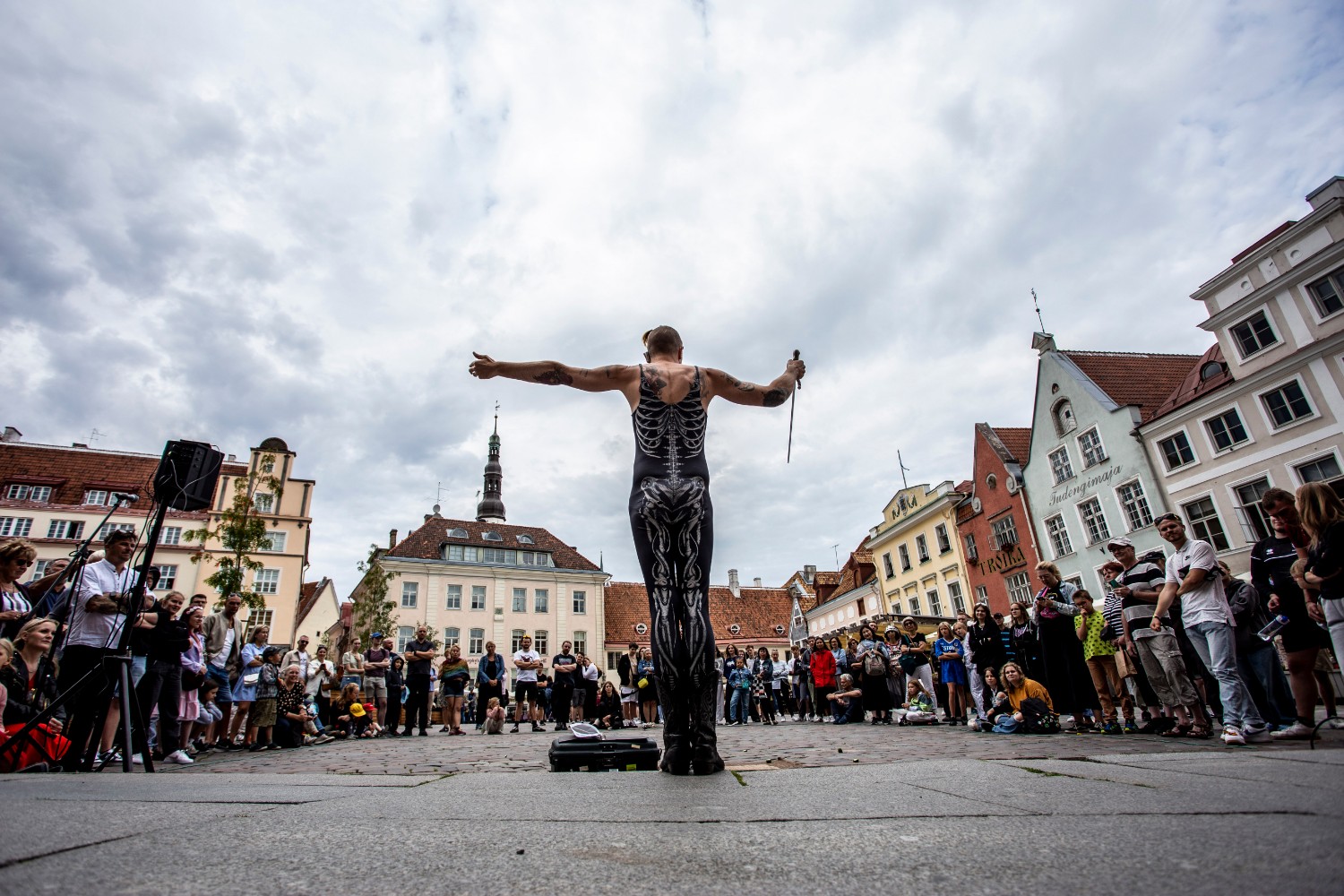

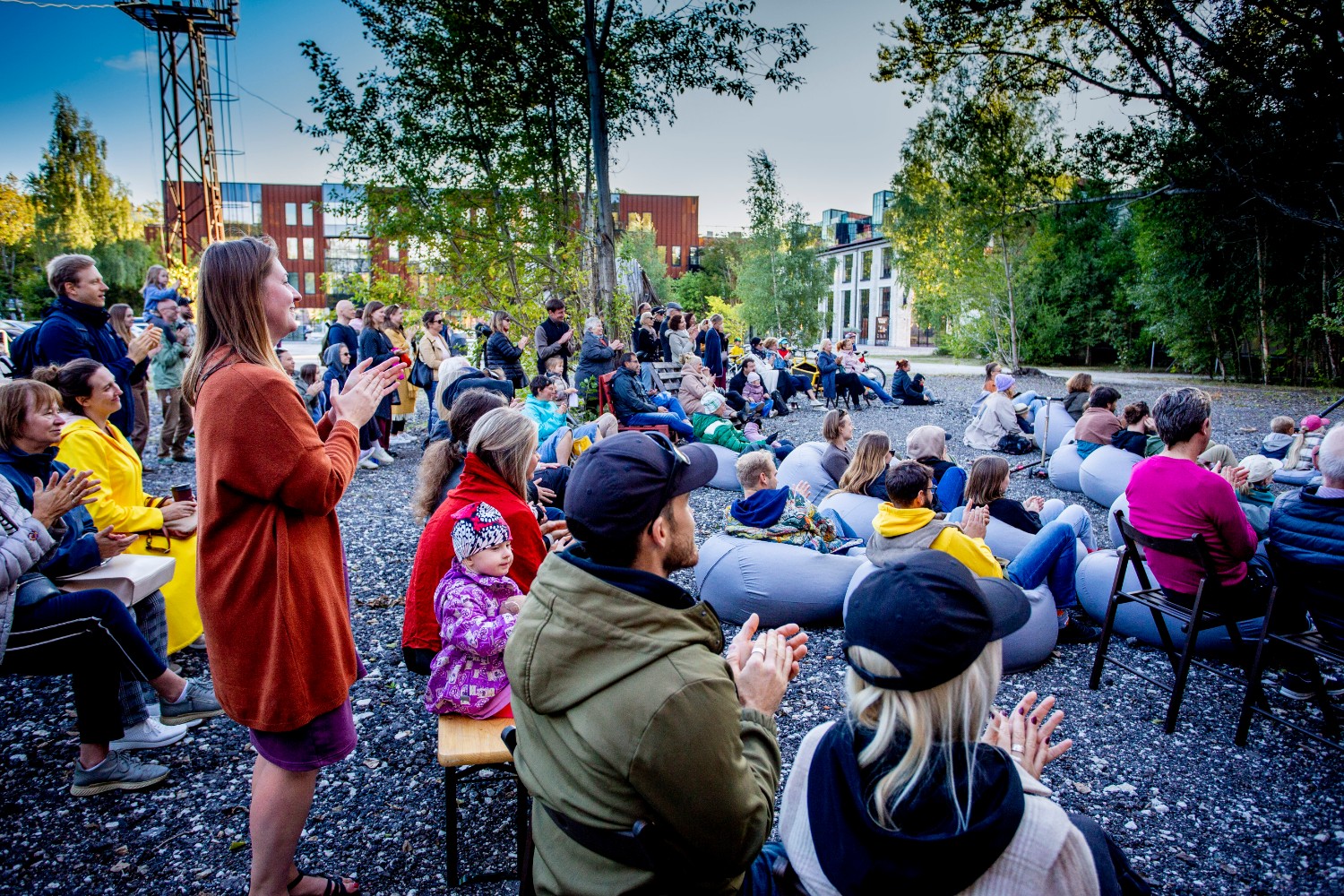
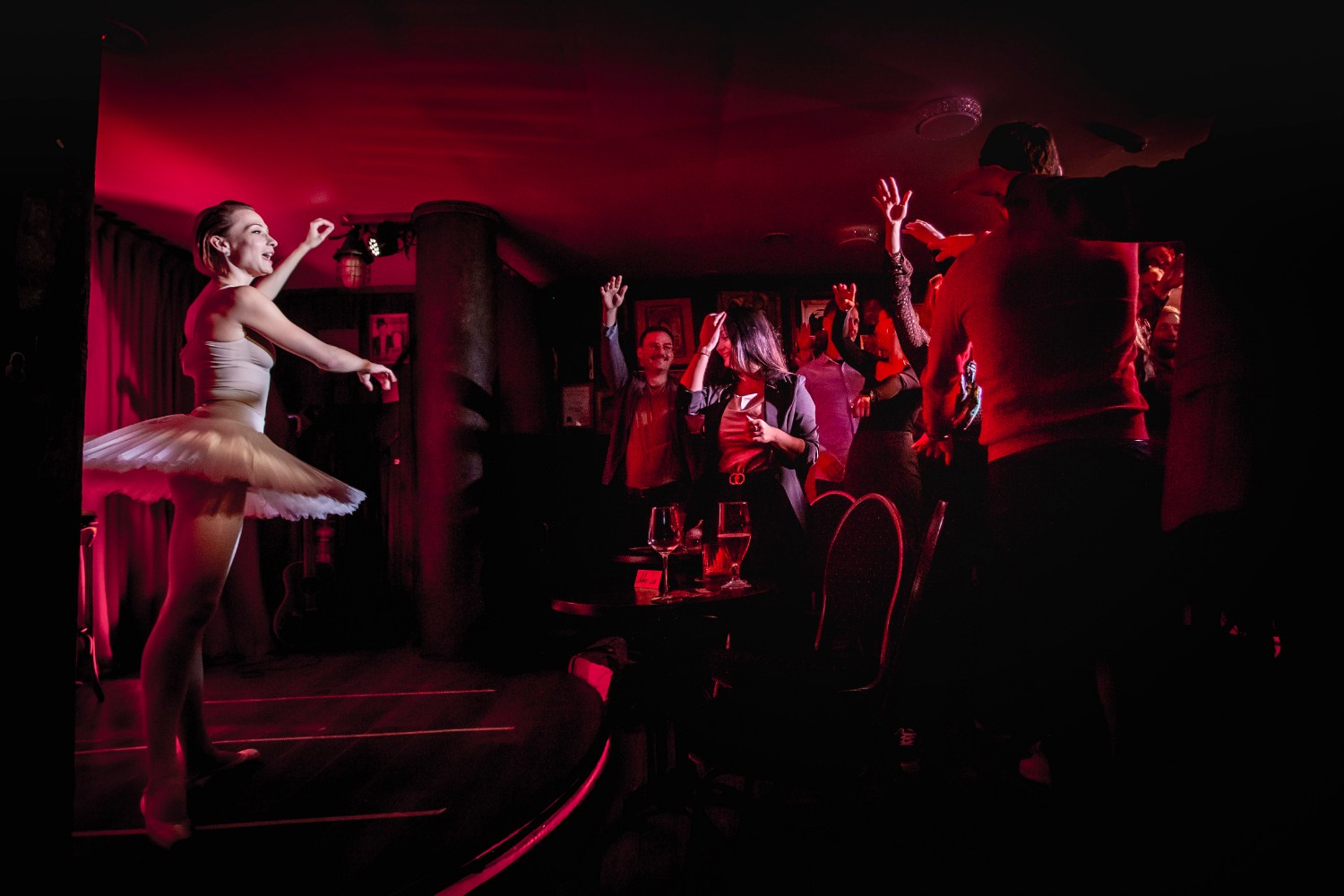
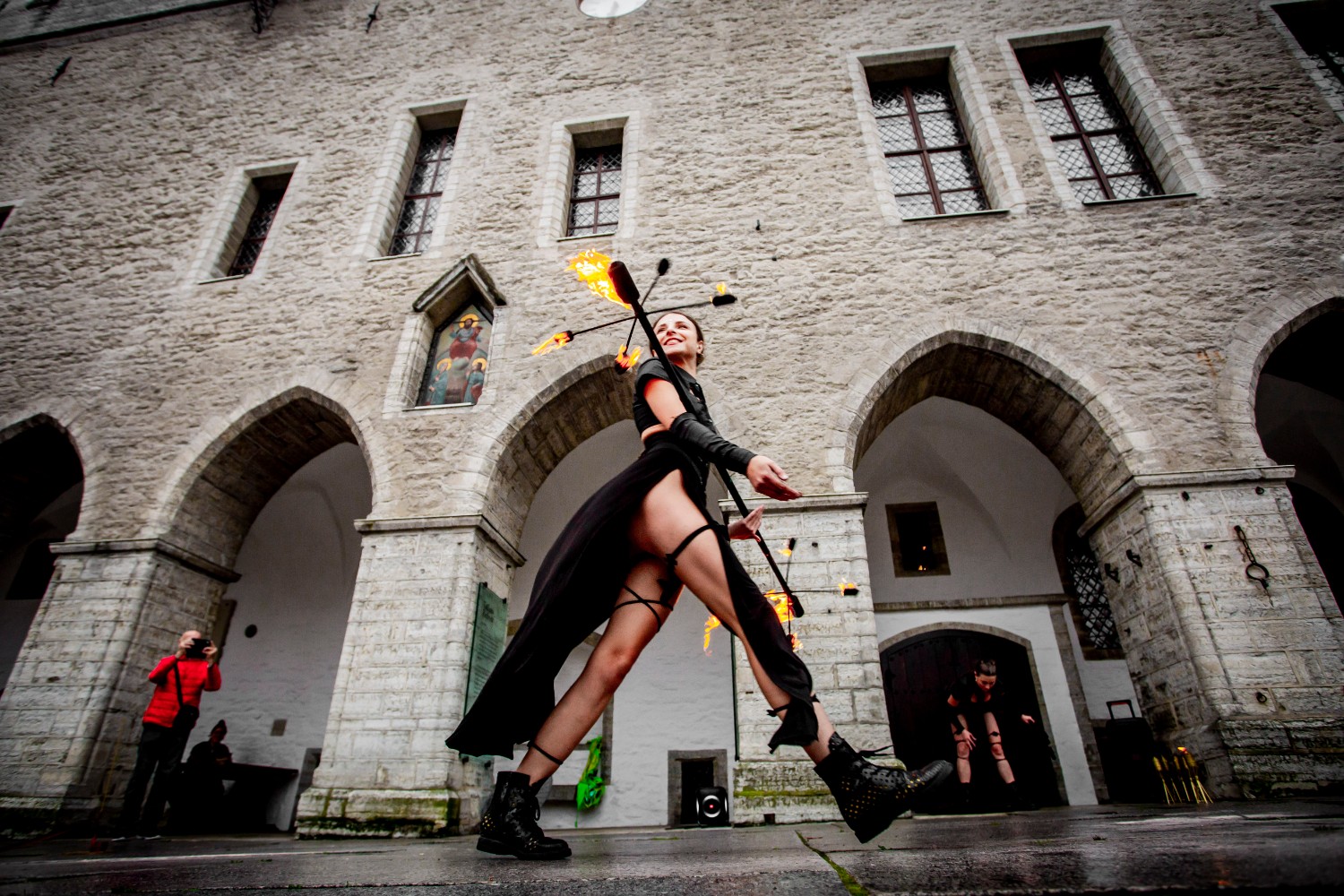
Browse the programme, choose a show and come see something you would not have known to search for in advance.
See the programme →